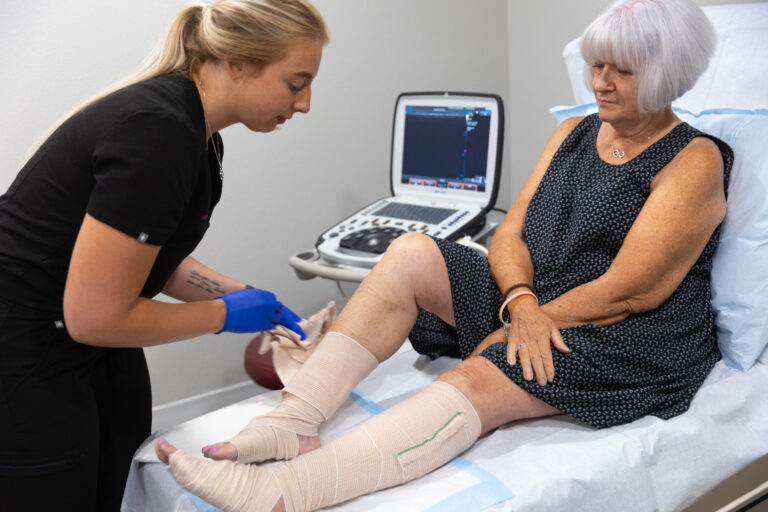
Vein disease is one of the most common ailments in the United States. Varicose veins, for example, impact about 1 in 3 adults.
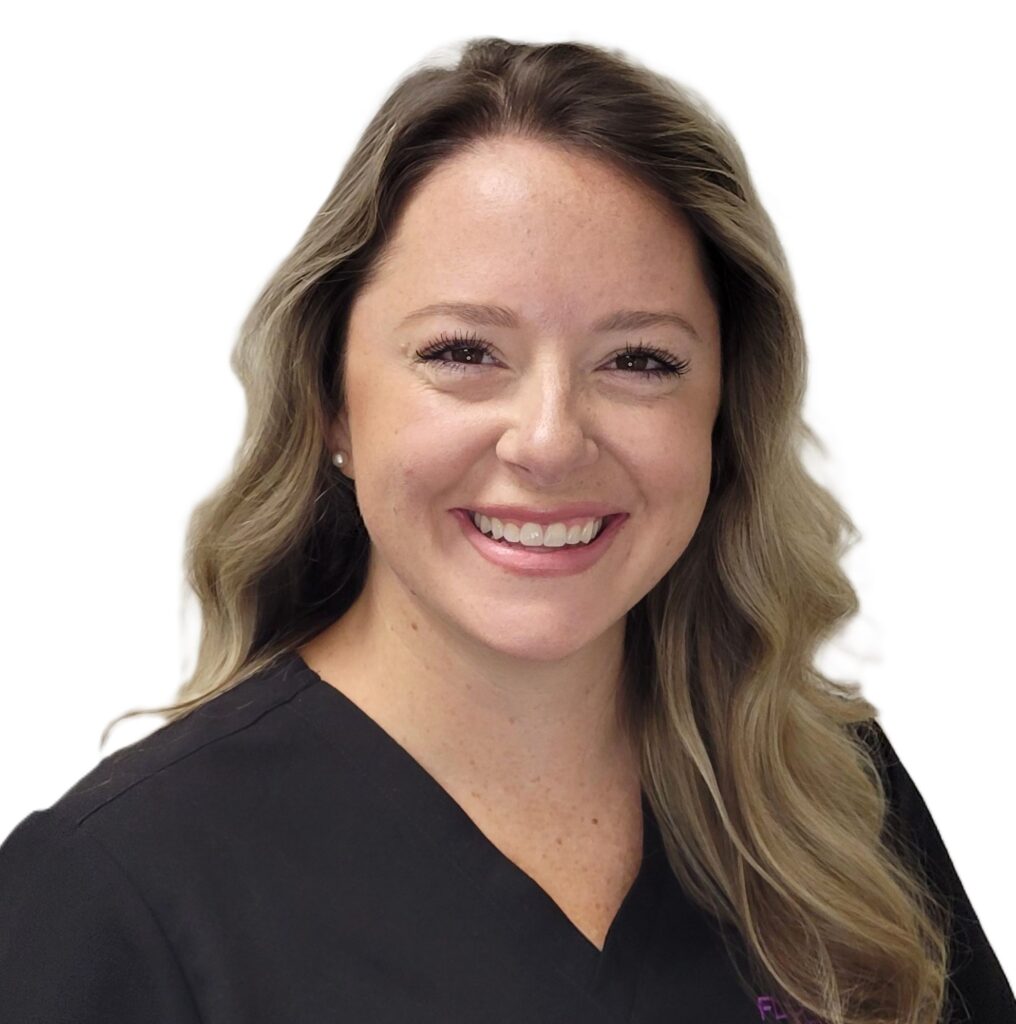
Payton Eberling,
certified physician associate
Payton Eberling is a board-certified Physician Associate who is committed to providing high-quality, patient-centered care and takes pride in building strong, trusting relationships with her patients. Her clinical approach emphasizes compassion, clear communication, and individualized treatment.
She earned her undergraduate degree from Florida Gulf Coast University, completed her Master of Science in Physician Assistant Studies at the University of the Cumberlands, and holds a Doctor of Medical Science from Butler University.
Vein Disease FAQs
The difference between a vein and artery is very straightforward. Arteries carry oxygenated blood away from the heart, and veins carry low-oxygen blood back to the heart. Veins are also called blood vessels.
Yes, vein treatments are safe; they do remove the veins that aren’t working properly. The human body is equipped with more than enough veins to move blood around, not to mention our bodies’ amazing ability to adapt. When the ineffective veins are destroyed, your healthy veins make up the difference without skipping a beat.
Both spider veins and varicose veins result from vein disease. Varicose veins are raised, swollen vessels that twist and coil beneath your skin, giving a bulging, ropey appearance. Spider veins are actually a smaller vein than what most consider “varicose veins.” Varicose veins are simply larger veins just below the skin surface and coil beneath. Spider veins are smaller versions and usually are single veins, but can also cluster.
End Your Struggle With Vein Disease
You deserve compassionate, effective vein treatment in Venice.